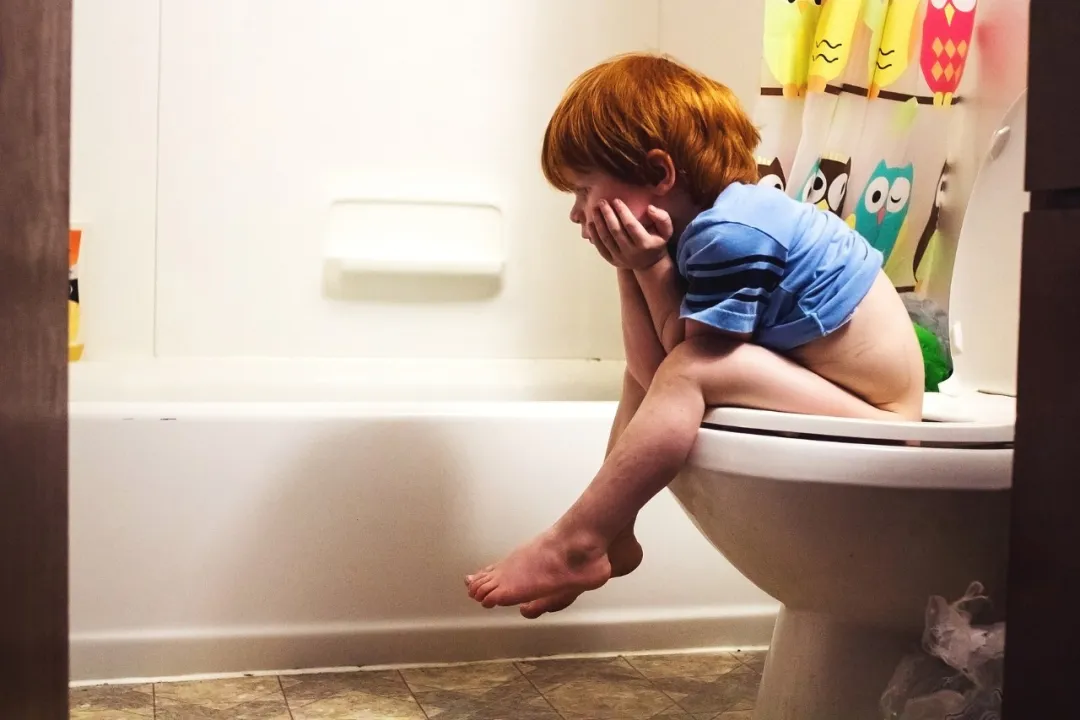
As the autumn wind picks up along Qingdao’s coast, families start asking the same questions every year: “Do I need the flu shot again if I had it last year?” and “Should I choose the three-strain or four-strain vaccine?” The answers matter, because influenza is not just a bad cold — and the right protection, timed well, can keep you out of hospital.
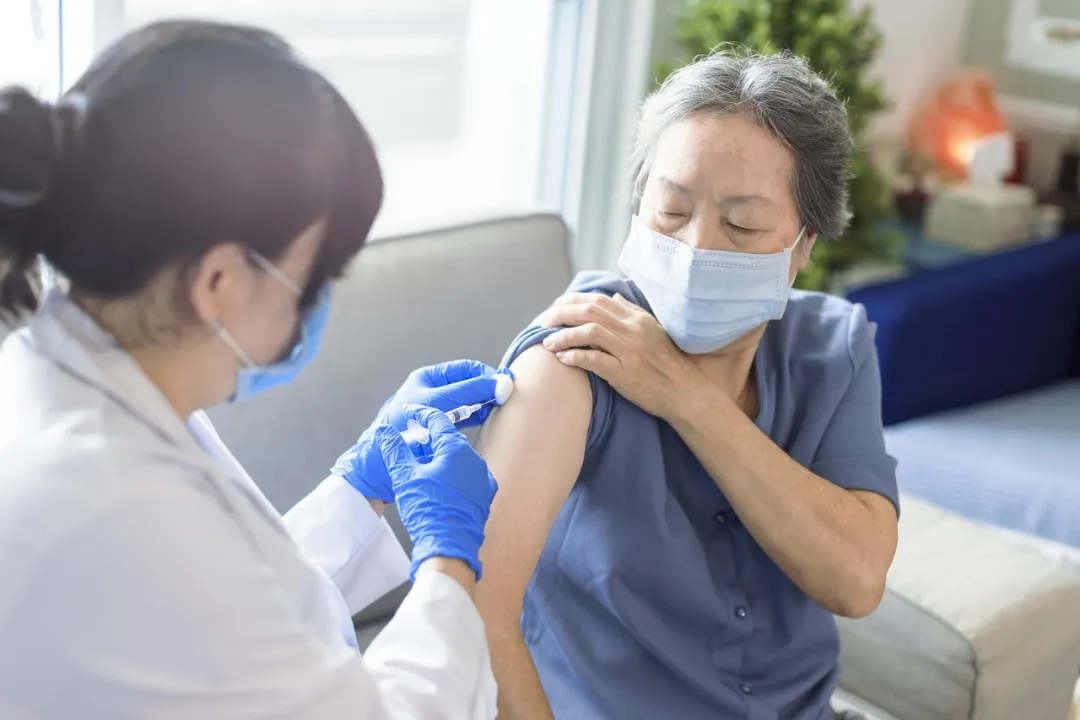
For most people, the best time to vaccinate in Qingdao is September–October, since protective antibodies take 2–4 weeks to develop.
Flu is not a “bad cold”
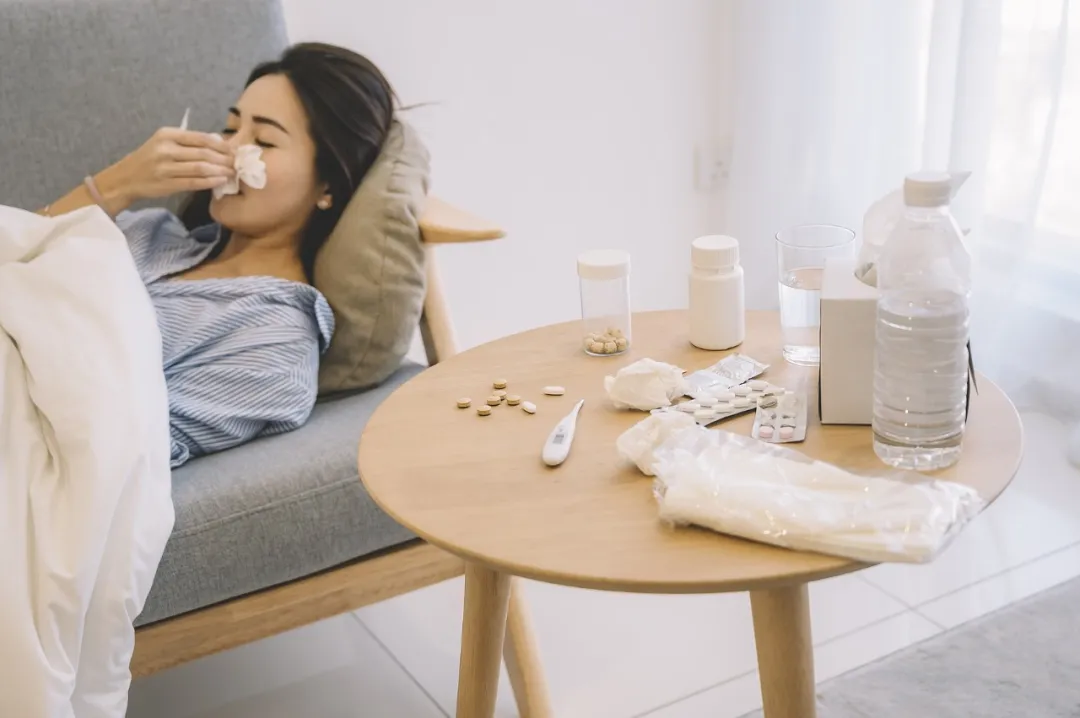
If a common cold is a light rain, influenza is a thunderstorm. Flu typically begins suddenly with high fever, body aches, severe headache and marked fatigue, often with cough and sore throat. In otherwise healthy people symptoms usually ease within 3–7 days, but the lingering fatigue and cough can last longer.
Children are more likely to experience nausea, vomiting and diarrhoea; older or immunocompromised patients may not have a high fever yet can still be seriously ill. According to the National Health Commission, high-risk groups for severe influenza include children under 5 (especially under 2), adults 65 and over, pregnant women, people with obesity, chronic disease or immunosuppression.
The real danger is not the fever itself but complications such as pneumonia, myocarditis or encephalopathy — or flu destabilising asthma, COPD, diabetes or heart failure.
In short: a cold mainly causes local symptoms (stuffy nose, runny nose, sore throat), while flu causes sudden fever and whole-body illness. Because symptoms overlap, definitive diagnosis usually needs a test.

Fever and cough — do I need a flu test?
During flu season, healthy young adults with typical, mild symptoms may be diagnosed clinically without waiting for a test. But testing is recommended when:
- The result will change treatment or isolation decisions;
- You need to distinguish flu from COVID-19 or other respiratory infections;
- The patient is high-risk, severely ill, deteriorating or hospitalised.
Rapid antigen tests are convenient, but a negative result does not fully rule out flu. Nucleic-acid testing is more sensitive and more reliable.
Antivirals: timing is everything
Antiviral treatment works best when started early — the first 48 hours after symptoms begin is the golden window. For healthy, low-risk patients with mild illness, rest, fluids and fever control are usually enough; whether to add an antiviral is a clinical decision based on timing and severity.
If a patient is hospitalised, seriously ill, getting worse, or belongs to a high-risk group, doctors should start antiviral therapy promptly based on clinical judgement — even before test results come back and even if it is beyond 48 hours. Antibiotics are ineffective against influenza and should only be used if a secondary bacterial infection such as bacterial pneumonia develops.
Which vaccine should I get this year?
Everyone aged 6 months and older without contraindications should receive an annual flu vaccine. There are two reasons:
- The virus keeps changing. Influenza undergoes constant “antigenic drift,” so the strains circulating this year may differ from last year.
- Immunity wanes. Protection from both vaccination and natural infection decreases over time.
The World Health Organization has released its 2026–2027 Northern Hemisphere trivalent vaccine recommendation, covering influenza A(H1N1), A(H3N2) and B/Victoria.
A common myth: quadrivalent is not automatically better than trivalent. The quadrivalent vaccine adds protection against B/Yamagata, but this strain has not been confirmed in natural circulation globally since March 2020. Preventing a strain that has effectively disappeared does not add meaningful real-world protection this season. For individuals, getting vaccinated on time is far more important than debating the number of strains.
After vaccination, it takes about 2–4 weeks to develop protective antibody levels, so September and October are the ideal months for Qingdao. If you miss that window, vaccination is still worthwhile at any point during the season. Once you have completed the recommended doses for the season, you do not need another dose.
Outpatient, ER or stay home?
If you are in a high-risk group and develop flu-like symptoms, contact your family doctor or general practitioner the same day for early assessment and possible antiviral treatment.
Go to the emergency department or call 120 immediately if you or your child has:
- Difficulty breathing, shortness of breath, blue lips or face, or persistent chest pain/pressure;
- Confusion, difficulty waking, seizures, severe weakness, or inability to stand;
- Signs of dehydration such as markedly reduced urination, or in children, refusal to feed or no tears when crying;
- Rapid breathing in children, chest wall retractions, or any fever in infants under 3 months;
- Return of fever or worsening cough after initial improvement, or a flare of chronic disease.
During recovery, rest at home, drink plenty of fluids, keep rooms ventilated and wear a mask around family members. Avoid close contact with elderly people, infants and anyone immunocompromised. Return to work or school only after overall symptoms have improved and you have been fever-free for at least 24 hours without fever-reducing medicine.
Important for children: do not give aspirin or salicylate-containing medicines to children and teenagers with flu-like illness, because of the risk of Reye’s syndrome.
Our pharmacy team
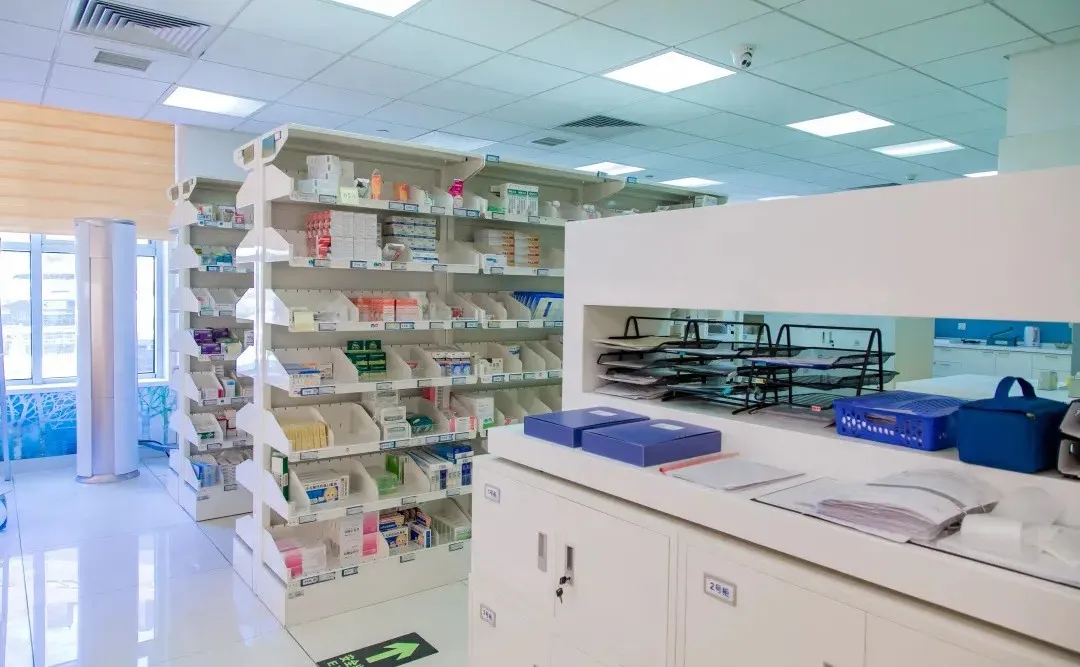
The Pharmacy Department at Qingdao United Family Hospital brings together experienced pharmacists from leading institutions. The team works closely with clinicians, participates in ongoing domestic and international training, and provides individualised medication guidance aligned with international standards.
From admission to discharge, pharmacists are part of the multidisciplinary team, monitoring therapy, ensuring safe use and supporting every step of treatment. Pharmacy services are available 24 hours a day, 7 days a week.
References (selected): National Health Commission Influenza Diagnosis & Treatment Protocol (2025 edition); CDC Clinical Signs and Symptoms / Testing Methods / Antiviral Guidance; WHO 2026–2027 Northern Hemisphere Influenza Vaccine Composition Recommendation; Chinese CDC Technical Guidelines for Influenza Vaccination (2025–2026).
Questions about flu care or vaccination at UFH Qingdao? Speak with our international team, or view the Qingdao campus details.