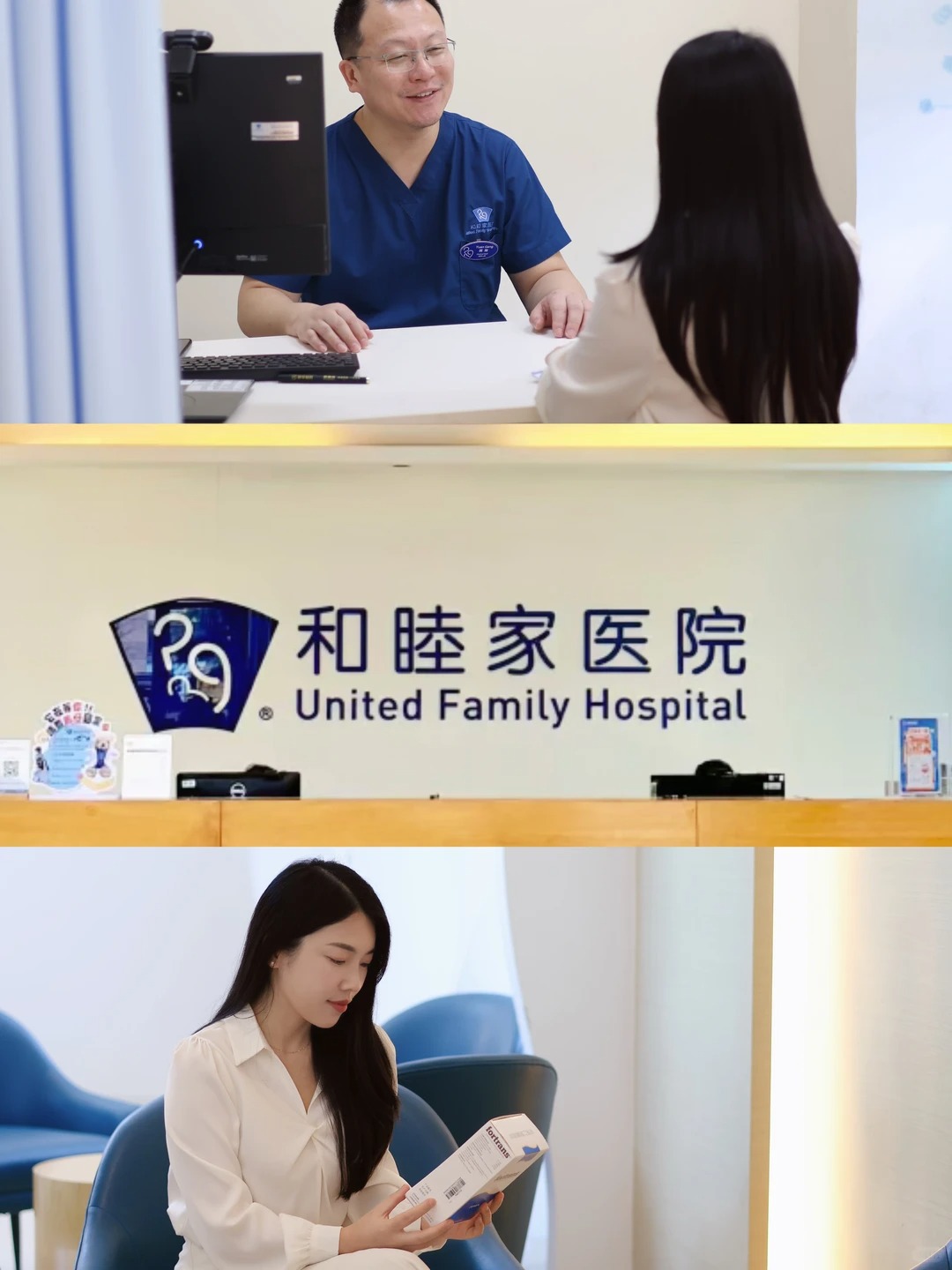
As the recognised “gold standard” for screening colorectal cancer, colonoscopy is better understood than ever. People’s Daily has repeatedly reminded readers that colorectal cancer is the world’s third most common malignant tumour, ranking second for incidence and fourth for mortality among malignant tumours in China. Upper and lower gastrointestinal endoscopy are reliable ways to diagnose gastritis, gastric ulcer, enteritis, polyps and even early gastrointestinal cancers — the “gold standard” for examining digestive disease.
Yet as soon as a procedure is mentioned, many people back away. Beyond the fear of pain and discomfort, the complicated preparation is what really worries them — the nagging worry that one missed step means needless suffering and an inaccurate result. In truth, a smooth, accurate exam with a good recovery is “three parts procedure, seven parts preparation.” Today we lay out the full care plan for having a gastroscopy or colonoscopy at Qingdao United Family Hospital — from what to eat and how to clean the bowel beforehand, to how to rest and what details to watch for afterwards — so you can avoid the common pitfalls.
A smooth, accurate exam is “three parts procedure, seven parts preparation.” Good prep is the single biggest factor in a clear, useful result.
Pre-exam care: better prepared, smoother exam
At Qingdao United Family Hospital, gastrointestinal endoscopy is divided into gastroscopy (upper GI) and colonoscopy (lower GI). Although their preparation differs in emphasis, the core principle is the same: empty the digestive tract completely, keep the mucosal surface clean, and avoid food residue or stool blocking the view — while screening for risk factors in advance.
Gastroscopy preparation
Strict control of eating and drinking times
- A regular gastroscopy requires fasting for at least 6 hours; a sedated gastroscopy requires fasting for at least 8 hours.
- For dinner the night before, choose light, easily digestible liquid or semi-liquid foods such as congee, noodles or plain steamed bread. Avoid coarse grains, fatty meat, fried food and sweets, and avoid coffee, strong tea and alcohol.
- On the morning of the exam, eat and drink nothing at all, to prevent vomiting, choking or aspiration during the procedure.
Stopping special medications
- People taking long-term anticoagulants, hypoglycaemic drugs or gastric medications need to adjust in advance. Blood thinners such as aspirin or clopidogrel should be stopped 5–7 days before the exam if a biopsy or polyp removal is planned, to reduce bleeding risk.
- People with diabetes should pause their hypoglycaemic drugs and insulin on the day of the exam, to avoid low blood sugar while fasting.
- Proton-pump inhibitor gastric medications may be stopped a few days ahead per the doctor’s advice, so they do not mask lesions and affect diagnosis.
Basic preparation before the procedure
- Before the exam, remove dentures, glasses and jewellery, and relax — excessive tension can cause stomach spasms.
- People with high blood pressure do not need to stop medication; they may take their blood-pressure pills with a small amount of water in the morning to keep blood pressure stable.
Colonoscopy preparation
A colonoscopy demands an even higher standard of bowel cleanliness, and a longer period of dietary control — this is the top priority of pre-exam care.
Staged dietary control
- 3 days before: a low-residue diet — only congee, soft noodles, tofu, steamed egg and clear soup, with no coarse fibre. Vegetables, fruit, mushrooms, seaweed, coarse grains and nuts are strictly forbidden, as their residue easily clings to the bowel wall and can hide lesions.
- 1 day before: switch to a full-liquid diet — rice water, lotus-root starch or strained clear soup. Do not drink milk, soy milk, thick soup or carbonated drinks, which cause gas and bloating.
- On the day of the exam: no food at all, only plain water, while waiting for the bowel prep.
Completing the bowel preparation properly
- Take the bowel-cleansing medication exactly as prescribed, mixed with warm water. While taking it, walk around and gently massage the abdomen to promote bowel movement — do not sit or lie still for long.
- The sign of adequate prep is finally passing colourless or pale-yellow clear fluid, with no stool particles and no cloudy sediment — at which point the bowel is clear and the exam can proceed normally.
- If bowel cleaning is incomplete, tell your doctor promptly to avoid an ineffective exam that has to be repeated.
Special groups
- Older adults and people prone to constipation may take a laxative 1–2 days ahead per the doctor’s advice, to soften stool in advance.
- Patients having a sedated colonoscopy must also fast for a full 8 hours, to prevent anaesthesia complications.
Contraindications and precautions before the exam
- Tell your doctor your full medical history beforehand — including high blood pressure, diabetes, heart disease, drug allergies, pregnancy and menstruation.
- Women should avoid the exam during menstruation; pregnancy is generally not advised unless the doctor judges it truly necessary.
- Patients with severe heart or lung disease need evaluation before a decision is made about the exam.
Post-exam care: recover sensibly, avoid discomfort and complications
After the procedure, the gastrointestinal tract is mildly sensitive and congested from instrument contact, air insufflation and any biopsy performed. Without good care, bloating, abdominal pain or minor bleeding can occur, so the following days need targeted rest.
Gastroscopy aftercare
Timing of eating and drinking
- Regular gastroscopy: the throat numbing has not worn off, so avoid water and food for 1 hour to prevent choking into the airway. After 1 hour, start with a little warm water; if there is no nausea or foreign-body sensation, move to warm, soft, mushy liquid food.
- Sedated gastroscopy: because of anaesthesia metabolism, wait 2 hours before drinking or eating, and keep the diet light and warm that day.
Relieving common post-procedure discomfort
- A dry throat, foreign-body sensation, mild aching or a little blood-tinged phlegm after the exam are normal — caused by the instrument brushing the throat lining — and usually ease on their own within 1–2 days without special treatment.
- During recovery, drink moderate amounts of warm, cool liquids, and avoid forceful throat-clearing or violent coughing that could worsen discomfort.
Dietary and routine restrictions
- On the day of the exam, avoid spicy, scalding, hard or cold foods, and do not drink alcohol, coffee or strong tea, to avoid irritating the stomach lining. Eat small, frequent meals rather than overeating, to lighten the stomach’s load.
- If a biopsy was taken or there is minor mucosal injury, follow the doctor’s advice to fast longer, and keep to a liquid diet for the short term.
Colonoscopy aftercare
Pass gas and rest to relieve bloating
- Air is introduced into the bowel during the exam, so most people feel bloating, mild abdominal pain or rumbling afterwards — this is normal.
- After the exam, walk slowly and turn from side to side to help the bowel release gas. Once the gas passes, the bloating quickly eases — no need to worry.
Resume eating step by step
- If it was a regular colonoscopy (no invasive procedure): after the exam and once gas has passed, you may drink warm water, and a light, easily digestible diet such as congee or soft noodles is recommended that day.
- If polyps were removed, a biopsy taken, or there is a minor wound: follow the doctor’s advice to fast 1–2 days, then gradually move from liquid to semi-liquid to a normal diet. For the short term, strictly avoid coarse-fibre, spicy or hard foods, to prevent friction on the wound causing bleeding.
Daily-activity control
- On the day of the exam, avoid strenuous exercise, and reduce bending, heavy lifting, and prolonged sitting or standing.
- Patients who had a sedated colonoscopy should not drive, ride a bicycle, operate precision instruments or sign important documents within 24 hours. The anaesthetic is not yet fully metabolised and judgement and reaction are still reduced — stay safe.
Warning signs to watch for after the exam
Most post-exam discomfort is a normal physiological reaction, mild and nothing to fear. But if the following abnormal signs appear, they may signal complications such as bleeding or perforation and you should seek medical care immediately:
- Severe, persistent abdominal pain that does not ease with rest, with a stiff abdomen;
- Large amounts of blood in the stool, vomiting blood or black stool, with the bleeding increasing;
- Persistent vomiting, high fever, dizziness, fatigue, palpitations or cold sweats;
- Severe bloating, unable to pass gas or stool.
Common myths — don’t fall into the traps
Myth 1: “The harder you purge during bowel prep, the better”
Over-purging can cause dehydration and electrolyte imbalance, leading to fatigue, dizziness and palpitations. The right approach is to stop once stool becomes clear and water-like with no residue — strictly follow the prescribed dose and do not increase it on your own.
Myth 2: “Go celebrate with a hotpot right after”
Just after the exam, the gastrointestinal mucosa is still sensitive from the irritation. Spicy food and alcohol worsen congestion and oedema and can trigger stomach pain, enteritis or even wound bleeding. Keep a light diet for 2–3 days to let the gut rest.
Myth 3: “Back to work right after a sedated exam”
The anaesthetic used in sedated endoscopy takes time to metabolise, and the body is still tired and slow to react afterwards. Rest at home that day; avoid mental or physical work and certainly no strenuous exercise, giving the body full recovery time.
A note from our doctors
If you have any questions, or notice any of the warning signs described above, please contact Qingdao United Family Hospital promptly or seek care nearby — do not delay. We wish you a smooth, reassuring exam every time, and good health every day.
Questions about gastroscopy, colonoscopy or digestive health at UFH Qingdao? Speak with our international team, or view the Qingdao campus details.