News › Shanghai
Pink Ribbon 2026: Inside Shanghai United Family’s Breast Cancer Precision Treatment Center
Published 16 Oct 2026 · 8-min read · Shanghai Network News
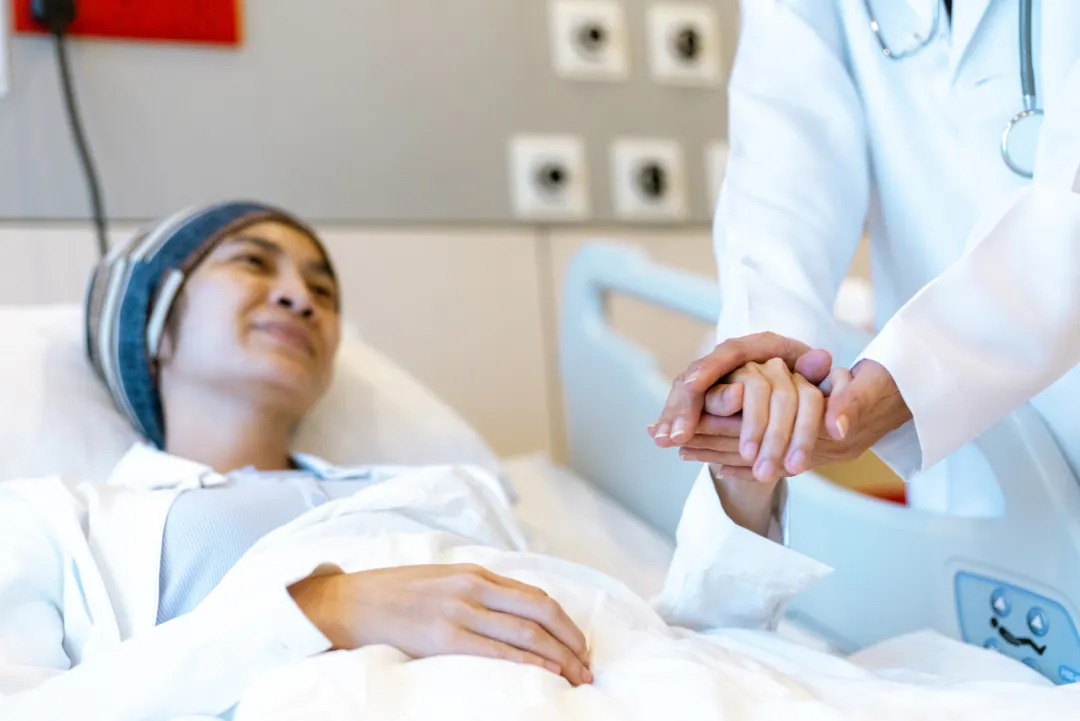
Breast cancer is the most commonly diagnosed cancer among women worldwide, with about 2.3 million new cases every year, and it is also one of the cancers with the highest incidence among Chinese women.
For Pink Ribbon Month, Shanghai United Family Hospital is putting its breast service in focus: a dedicated Breast Cancer Precision Treatment Center that combines a national-level specialist team with international-standard, patient-centred care.
Pink Ribbon, Fight Cancer
The centre is built on two things that are usually offered separately in China: authoritative specialist expertise and a high-quality service experience. In June 2026, Shanghai United Family Hospital signed a cooperation agreement with Fudan University Shanghai Cancer Center. The first phase of the collaboration covers breast surgery, thoracic surgery and head and neck surgery.
Since June 2026, the breast surgery team led by Professor Yu Keda of Fudan University Shanghai Cancer Center has been holding regular clinics at Shanghai United Family Hospital, providing specialist assessment and treatment for patients with breast disease.
Founded in 2000, the Department of Breast Surgery at Fudan University Shanghai Cancer Center has grown over more than two decades into one of China’s leading breast cancer basic and clinical research groups, with a strong international reputation. The department has extensive experience in breast cancer screening, diagnosis and comprehensive treatment, and maintains active clinical programmes in breast-conserving surgery, breast reconstruction and individualized therapy.
Combining that specialist resource with United Family’s practice in multidisciplinary collaboration, individualized service and full-course management creates a closed loop driven by two engines: the clinical strength of a national-level expert team, and the service strength of an international-standard hospital.
International standards, one-stop full-course management
The Breast Cancer Precision Treatment Center is built around three ideas: precision diagnosis and treatment, multidisciplinary collaboration, and full-course management. Its team brings together breast surgeons, radiologists, medical oncologists, pathologists, dietitians, traditional Chinese medicine physicians and psychotherapists.
One-stop visits mean registration, consultation, imaging and pathology biopsy can be completed in a single trip rather than over several return visits. Imaging reports are issued on the spot, outpatient core needle biopsy can be performed the same day, and pathology results are usually available within three to five days.
MDT joint consultation is offered to patients whose imaging is highly suspicious for malignancy or who are rated BI-RADS 4A or above. Following international diagnostic and treatment standards, these patients are offered preoperative core needle biopsy, and an individualized treatment plan is then agreed in a multidisciplinary team discussion — reducing the risk of under-resection, missed resection or unnecessarily extensive surgery.
Individualized precision treatment includes options such as neoadjuvant chemotherapy, so that more patients who would otherwise not be candidates for breast-conserving surgery may still have a chance to keep their breast, balancing oncological outcome with quality of life.
Precise biopsy and detailed assessment are performed with ultrasound specialists from Fudan University Shanghai Cancer Center on site, offering detailed breast ultrasound for nodules and core needle biopsy of superficial masses.
Breast aesthetics and functional improvement are part of the plan from the start: surgical options are tailored to each patient’s height, weight and body shape, pursuing a better postoperative appearance on the foundation of safety and oncological soundness.
From disease management to functional recovery, and from physical health to psychological support, the centre aims to combine multidisciplinary expertise with individualized service, so that every patient feels respected, understood and cared for while receiving specialist treatment.
Practical information for patients: booking, what to bring and what happens on the day
Because most patients arrive with a folder of previous tests and a long list of questions, the centre has organised its breast pathway around a single visit. The notes below summarise what to prepare and what to expect.
Who should book a breast assessment
- Imaging rated BI-RADS 4A or above, or reported as highly suspicious for malignancy.
- A newly diagnosed breast cancer seeking a second opinion before surgery or before starting systemic treatment.
- Patients considering breast-conserving surgery or breast reconstruction, including those told elsewhere that conservation is not possible.
- A breast lump, nipple discharge, skin dimpling or other persistent breast change that needs assessment.
- A strong family history of breast or ovarian cancer, or dense breast tissue that makes screening harder to read.
What to bring
- Previous mammography, breast ultrasound and MRI images, not only the written reports — the original DICOM files or films help the radiologist compare.
- Pathology reports and, where available, pathology slides or blocks from any previous biopsy or surgery.
- A summary of treatment already received: surgery, chemotherapy, radiotherapy, endocrine or targeted therapy, with drug names and dates.
- Passport or identity document, and current medication list including anticoagulants and traditional medicines.
How the one-day pathway usually runs
| Step | What happens | Typical timing |
|---|---|---|
| 1. Registration and consultation | Breast surgeon reviews history, prior imaging and reports | Same day |
| 2. Imaging | Mammography, ultrasound or MRI as indicated; report issued on site | Same day |
| 3. Biopsy | Ultrasound-guided core needle biopsy of the breast or a superficial mass | Same day |
| 4. Pathology | Histology, grade, hormone receptors and HER2 status reported | 3 to 5 days |
| 5. MDT and plan | Multidisciplinary discussion agrees surgery, neoadjuvant therapy or other next steps | After pathology is available |
Timing is indicative. Additional tests, repeat biopsy or a second review of outside pathology can extend the pathway, and the plan for each patient is confirmed by the treating team.
How to book
Appointments can be requested through the hospital’s official booking channels or through MedTourChina on +86 177 4202 6990, and through the contact form on this site. Booking three to five working days ahead is advisable, particularly for Professor Yu Keda’s specialist clinic, as places are limited.
Patients travelling from outside Shanghai should mention at the time of booking that they are coming from another city or country, so that imaging, biopsy and pathology review can be sequenced into as few trips as possible.
International patients can also ask MedTourChina to arrange interpretation, airport transfers, accommodation near the campus, and a medical visa invitation letter where required. Bring a passport and any prior records in English or Chinese where possible.
Shanghai United Family Hospital operates campuses in Jing’an, Changning and Pudong; the booking team will confirm which campus and which outpatient session your appointment is at.
United Family Healthcare serves Shanghai through its Jing’an, Changning and Pudong campuses.
Pink Ribbon Month: a shared appointment with health
Breast health is easily postponed between work and family commitments. For Pink Ribbon Month, Shanghai United Family Hospital and specialists from Fudan University Shanghai Cancer Center are holding a breast cancer awareness event, with expert talks and free consultations on site.
For patients who cannot attend the event, the specialist clinic and the one-stop breast pathway remain available throughout the year.
This article is for health education only and does not constitute individualized medical advice. Screening intervals, biopsy decisions and treatment plans should be made with a qualified clinician who has reviewed your own imaging and pathology.
References:
- International Agency for Research on Cancer (IARC). Global Cancer Observatory: Cancer Today. 2024. https://gco.iarc.who.int/today/
Source: Shanghai United Family Hospital WeChat article, 16 Oct 2026.